
Custom Lighters
Low-priced Customized Lighters Imprinted with your Logo for your next event. You're here for quality. It's not always easy, So we take it seriously.
Custom Personalized Lighters - 33 Items Found


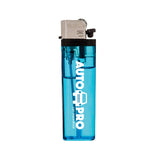


Transparent Standard Flint Cigaret...
(Q177711)
| Quantity | Base Price | Save |
|---|---|---|
| 300 (minimum) | $ 0.61 | - |
| 500 | $ 0.59 | 3% |
| 1000 | $ 0.58 | 5% |
| 5000 | $ 0.56 | 8% |
| 10000 | $ 0.55 | 10% |
All-inclusive pricing includes:
- FREE artwork review
- FREE mock-up (with existing art)
- FREE first run charge
(excludes apparel & embroidery)

 2+
2+
 2+
2+
 2+
2+
 2+
2+
 2+
2+
 2+
2+
 2+
2+
 2+
2+
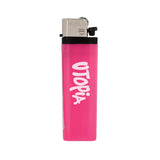
Solid Colored Standard Flint Cigar...
(Q667711)
| Quantity | Base Price | Save |
|---|---|---|
| 300 (minimum) | $ 0.70 | - |
| 500 | $ 0.68 | 3% |
| 1000 | $ 0.66 | 6% |
| 5000 | $ 0.64 | 9% |
| 10000 | $ 0.62 | 11% |
All-inclusive pricing includes:
- FREE artwork review
- FREE mock-up (with existing art)
- FREE first run charge
(excludes apparel & embroidery)

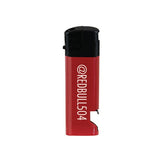


Solid Electronic Lighters With Bot...
(Q767711)
| Quantity | Base Price | Save |
|---|---|---|
| 300 (minimum) | $ 0.74 | - |
| 500 | $ 0.72 | 3% |
| 1000 | $ 0.70 | 5% |
| 5000 | $ 0.68 | 8% |
| 10000 | $ 0.66 | 11% |
All-inclusive pricing includes:
- FREE artwork review
- FREE mock-up (with existing art)
- FREE first run charge
(excludes apparel & embroidery)

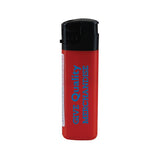


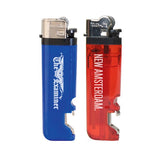
Piezo Electronic Lighters
(Q377711)
| Quantity | Base Price | Save |
|---|---|---|
| 300 (minimum) | $ 0.78 | - |
| 500 | $ 0.76 | 3% |
| 1000 | $ 0.74 | 5% |
| 5000 | $ 0.72 | 8% |
| 10000 | $ 0.70 | 10% |
All-inclusive pricing includes:
- FREE artwork review
- FREE mock-up (with existing art)
- FREE first run charge
(excludes apparel & embroidery)

 2+
2+
 2+
2+
 2+
2+
 2+
2+
 2+
2+
 2+
2+
 2+
2+
 2+
2+
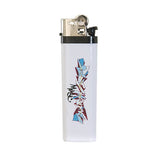
Standard Lighter With Bottle Openers
(Q967711)
| Quantity | Base Price | Save |
|---|---|---|
| 300 (minimum) | $ 0.87 | - |
| 500 | $ 0.85 | 2% |
| 1000 | $ 0.82 | 6% |
| 5000 | $ 0.80 | 8% |
| 10000 | $ 0.78 | 10% |
All-inclusive pricing includes:
- FREE artwork review
- FREE mock-up (with existing art)
- FREE first run charge
(excludes apparel & embroidery)


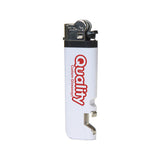
Full Color Standard Flint Cigarett...
(Q867711)
| Quantity | Base Price | Save |
|---|---|---|
| 300 (minimum) | $ 1.17 | - |
| 500 | $ 1.14 | 3% |
| 1000 | $ 1.11 | 5% |
| 5000 | $ 1.08 | 8% |
| 10000 | $ 1.05 | 10% |
All-inclusive pricing includes:
- FREE artwork review
- FREE mock-up (with existing art)
- FREE first run charge
(excludes apparel & embroidery)


Full Color Standard Bottle Opener ...
(Q577711)
| Quantity | Base Price | Save |
|---|---|---|
| 300 (minimum) | $ 1.35 | - |
| 500 | $ 1.31 | 3% |
| 1000 | $ 1.27 | 6% |
| 5000 | $ 1.24 | 8% |
| 10000 | $ 1.21 | 10% |
All-inclusive pricing includes:
- FREE artwork review
- FREE mock-up (with existing art)
- FREE first run charge
(excludes apparel & embroidery)

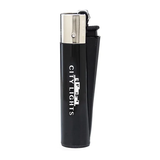


Clipper Lighters
(Q328811)
| Quantity | Base Price | Save |
|---|---|---|
| 240 (minimum) | $ 1.64 | - |
| 480 | $ 1.60 | 2% |
| 960 | $ 1.55 | 5% |
| 2400 | $ 1.51 | 8% |
All-inclusive pricing includes:
- FREE artwork review
- FREE mock-up (with existing art)
- FREE first run charge
(excludes apparel & embroidery)


Full Color Clipper Lighters
(Q428811)
| Quantity | Base Price | Save |
|---|---|---|
| 240 (minimum) | $ 1.64 | - |
| 480 | $ 1.60 | 2% |
| 960 | $ 1.55 | 5% |
| 2400 | $ 1.51 | 8% |
All-inclusive pricing includes:
- FREE artwork review
- FREE mock-up (with existing art)
- FREE first run charge
(excludes apparel & embroidery)

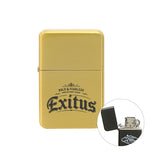


Oil Flip Top Wick Style Lighters
(Q467711)
| Quantity | Base Price | Save |
|---|---|---|
| 100 (minimum) | $ 3.65 | - |
| 250 | $ 3.55 | 3% |
| 500 | $ 3.45 | 5% |
| 1000 | $ 3.36 | 8% |
| 2500 | $ 3.27 | 10% |
All-inclusive pricing includes:
- FREE artwork review
- FREE mock-up (with existing art)
- FREE first run charge
(excludes apparel & embroidery)

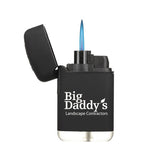


Turbo Mega Jet Flameless Lighters
(Q438811)
| Quantity | Base Price | Save |
|---|---|---|
| 100 (minimum) | $ 4.00 | - |
| 240 | $ 3.89 | 3% |
| 480 | $ 3.78 | 6% |
| 960 | $ 3.68 | 8% |
| 2400 | $ 3.58 | 11% |
All-inclusive pricing includes:
- FREE artwork review
- FREE mock-up (with existing art)
- FREE first run charge
(excludes apparel & embroidery)


Monstrous Jumbo Electronic Lighters
(Q877711)
| Quantity | Base Price | Save |
|---|---|---|
| 96 (minimum) | $ 4.35 | - |
| 288 | $ 4.23 | 3% |
| 576 | $ 4.11 | 6% |
| 960 | $ 4.00 | 8% |
| 2496 | $ 3.90 | 10% |
All-inclusive pricing includes:
- FREE artwork review
- FREE mock-up (with existing art)
- FREE first run charge
(excludes apparel & embroidery)

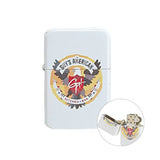

Full Color Oil Flip Top Wick Style...
(Q567711)
| Quantity | Base Price | Save |
|---|---|---|
| 100 (minimum) | $ 4.52 | - |
| 250 | $ 4.39 | 3% |
| 500 | $ 4.27 | 6% |
| 1000 | $ 4.16 | 8% |
| 2500 | $ 4.05 | 10% |
All-inclusive pricing includes:
- FREE artwork review
- FREE mock-up (with existing art)
- FREE first run charge
(excludes apparel & embroidery)


MK LIGHTER® Jet Pocket Lighter
(Q249432)
| Quantity | Base Price | Save |
|---|---|---|
| 150 (minimum) | $ 5.35 | - |
| 300 | $ 4.52 | 16% |
| 500 | $ 4.40 | 18% |
All-inclusive pricing includes:
- FREE artwork review
- FREE mock-up (with existing art)
- FREE first run charge
(excludes apparel & embroidery)


MK LIGHTER® Range Small Utility Li...
(Q349432)
| Quantity | Base Price | Save |
|---|---|---|
| 150 (minimum) | $ 7.22 | - |
| 300 | $ 6.34 | 12% |
| 500 | $ 6.16 | 15% |
All-inclusive pricing includes:
- FREE artwork review
- FREE mock-up (with existing art)
- FREE first run charge
(excludes apparel & embroidery)


MK LIGHTER® Avalon E Protective Ca...
(Q149432)
| Quantity | Base Price | Save |
|---|---|---|
| 150 (minimum) | $ 8.26 | - |
| 300 | $ 7.61 | 8% |
| 500 | $ 7.40 | 10% |
All-inclusive pricing includes:
- FREE artwork review
- FREE mock-up (with existing art)
- FREE first run charge
(excludes apparel & embroidery)

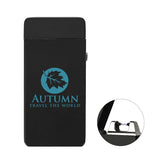


USB Rechargeable Arc Plasma Lighters
(Q538811)
| Quantity | Base Price | Save |
|---|---|---|
| 25 (minimum) | $ 11.74 | - |
| 50 | $ 11.41 | 3% |
| 100 | $ 11.10 | 5% |
| 250 | $ 10.80 | 8% |
| 500 | $ 10.52 | 10% |
All-inclusive pricing includes:
- FREE artwork review
- FREE mock-up (with existing art)
- FREE first run charge
(excludes apparel & embroidery)

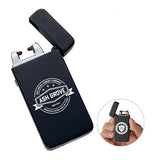


Cedar Creek® 2.75 Inch Electric Li...
(Q895322)
| Quantity | Base Price | Save |
|---|---|---|
| 48 (minimum) | $ 17.83 | - |
| 96 | $ 15.63 | 12% |
| 288 | $ 15.21 | 15% |
All-inclusive pricing includes:
- FREE artwork review
- FREE mock-up (with existing art)
- FREE first run charge
(excludes apparel & embroidery)

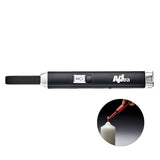


Cedar Creek® Electric Candle Lighter
(Q795322)
| Quantity | Base Price | Save |
|---|---|---|
| 48 (minimum) | $ 20.00 | - |
| 96 | $ 16.86 | 16% |
| 288 | $ 16.40 | 18% |
All-inclusive pricing includes:
- FREE artwork review
- FREE mock-up (with existing art)
- FREE first run charge
(excludes apparel & embroidery)

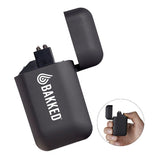


Cedar Creek® Double Arc Pocket Ele...
(Q695322)
| Quantity | Base Price | Save |
|---|---|---|
| 48 (minimum) | $ 19.13 | - |
| 96 | $ 16.90 | 12% |
| 288 | $ 16.44 | 14% |
All-inclusive pricing includes:
- FREE artwork review
- FREE mock-up (with existing art)
- FREE first run charge
(excludes apparel & embroidery)
- ←
- 1
- 2
- Show All Products
- Next →
Quality Imprint customer experience rating
See what our customers think of QualityImprint
- We were very pleased with the rush order QualityImprint did for us. The product and the customization were very good.
- Excellent product, fantastic sales rep who got it produced and delvered within a very tight timeframe, easy to deal with!
- Quality Imprint was the BEST experience in my entire life. My representative is such a nice person, we're now like family!
Need help ordering Lighters? Call 1-888-377-9339
Custom Lighters with Logo and Promotional Lighter Giveaways
Custom lighters are promotional fire-starting products printed with a company logo, name, or message. Businesses use them for event giveaways, hospitality programs, outdoor campaigns, retail promotions, and brand rollouts where a compact, functional item can keep the brand visible after distribution.
What Are Promotional Lighters Used For?
Promotional lighters are branded utility items used to support business visibility through repeated practical use. They work by placing a logo or message on a lighter body through an imprint method such as pad print or full-color decoration. The result is a small giveaway that can fit event kits, counter displays, mailers, and customer appreciation programs.
QualityImprint’s lighter collection includes standard flint styles, electronic ignition options, bottle opener combinations, Clipper lighters, oil flip top designs, jet flame models, utility lighters, and rechargeable electric lighters. Buyers commonly choose custom lighters with logo for hospitality venues, cigar lounges, outdoor events, convenience retail promotions, and tradeshow promotional products where the item should be easy to distribute and simple to recognize.
For related giveaway programs, branded lighters can be paired with custom matches, logo bottle openers, or branded candles when the campaign connects to hospitality, home goods, entertainment, or lifestyle gifting.
What Types of Custom Lighters with Logo Are Available?
Logo lighters vary by ignition style, body format, decoration area, and intended use. Standard models provide a familiar disposable-style format, while electronic, torch, oil, and rechargeable styles add different operating mechanisms. These options help buyers match the lighter to the audience, setting, and perceived value of the promotion.
standard flint lighters work well for high-volume lighter giveaways because they are compact and familiar. Solid-color and transparent bodies support simple logo placement, while full-color standard lighters allow more visual artwork when the design needs more than a basic imprint.
electronic lighters with bottle openers combine two common utility functions in one item, making them relevant for beverage promotions, restaurants, bars, and event programs. Clipper lighters and full-color Clipper options serve buyers who want a recognizable lighter shape with space for branded artwork.
oil flip top wick style lighters create a heavier gift-style impression than standard plastic formats. jet flame lighters, torch lighters, utility lighters, and rechargeable electric lighters fit outdoor, candle, and specialty-use programs where the buyer wants a more differentiated branded item.
Which Branded Lighters Fit Events, Hospitality, and Outdoor Programs?
Branded lighters are selected according to where the item will be distributed and how recipients are expected to use it. Event programs usually prioritize quantity and simple branding, while hospitality or outdoor programs may need a more specific lighter format. This matching process helps the product feel relevant to the campaign rather than generic.
For trade shows, festivals, and broad awareness campaigns, bulk lighters in standard flint or electronic formats are straightforward to hand out. For restaurants, bars, breweries, and beverage promotions, bottle opener lighters can align the giveaway with drink service, especially when combined with branded can coolers or other event merchandise.
For camping, outdoor retail, and recreation campaigns, torch, jet, utility, and electric lighter formats may be a better fit than basic pocket lighters. Buyers planning outdoor promotional products can also coordinate lighter orders with custom camping gear or barbecue-related giveaways to build a more complete branded kit.
How to Choose the Right Custom Lighters for Your Brand?
Custom lighters for business should be chosen by use case, audience, imprint needs, and distribution method. A lighter used as a mass giveaway has different requirements than one used in a hospitality gift set or outdoor promotion. Clear selection criteria reduce mismatches between product format, artwork, and campaign context.
- High-volume giveaways: choose standard flint, solid-color, transparent, or basic electronic lighters for easy distribution.
- Beverage and hospitality promotions: choose bottle opener lighters, Clipper styles, or full-color options that support stronger visual branding.
- Outdoor and utility programs: choose jet, torch, utility, or rechargeable electric lighter formats for a more specialized item.
- Artwork-heavy campaigns: review full-color lighter options when the logo, campaign graphic, or message requires more visual detail.
- Gift-style programs: consider oil flip top or premium electric models when the lighter is part of a higher-perceived-value set.
Before placing an order, confirm the imprint method, available imprint area, body color, artwork format, and delivery timing. QualityImprint supports custom imprinted products with dedicated account managers, free mockups and samples, an On-Time Shipment Guarantee, a Lowest Price Match, and a 360� Quality Guarantee.
Frequently Asked Questions
What is the difference between flint, electronic, torch, and electric lighters?
Flint lighters use a traditional spark wheel format, while electronic lighters use a push-button ignition mechanism. Torch and jet styles are designed for a stronger flame format, and electric or arc lighters use rechargeable power instead of a standard flame.
Can lighters with logo be ordered for bulk event giveaways?
Yes, lighter styles on this collection page are presented for custom imprinting and bulk promotional ordering. Standard flint and basic electronic formats are usually the simplest fit when the campaign needs broad distribution.
Which lighter style is best for hospitality promotions?
Hospitality programs often benefit from bottle opener lighters, Clipper lighters, oil flip top styles, or full-color lighter formats. These options can align with bars, restaurants, lounges, beverage campaigns, and event environments where the lighter connects naturally to the setting.
QualityImprint has supplied custom-imprinted merchandise to organizations including Lockheed Martin, NASA, Verizon, Harvard, Starbucks, Microsoft, The Home Depot, and Hilton.
Browse custom lighters with logo, compare imprint formats, request a sample, or ask a QualityImprint account manager for help choosing the right promotional lighters for your next campaign.


